On the sneering devil that is Zara Home
If everybody champions aesthetic who is left to care for substance?

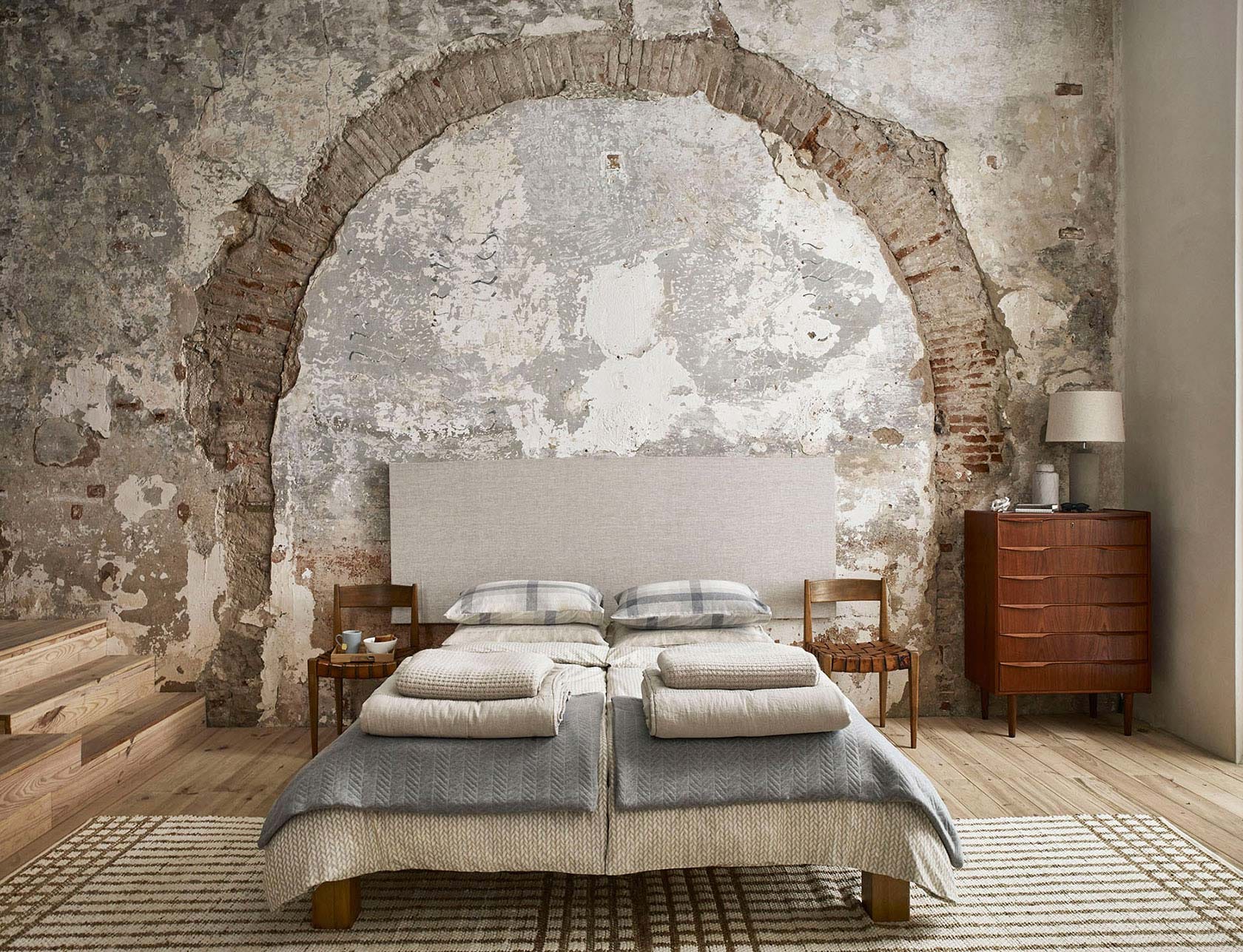
*image taken from a Zara Home catalogue. Caveat emptor, your home will never look like this, even after purchasing Zara Home products.
When I moved into my new spot earlier in the year, I was in need of some new homewares. My general stance when I’m kitting out a home is to play the long game and wait for the most interesting objects to accumulate over time, giving my house a personalised patina. My old home had swords on the walls that I’d brought home from travelling, artwork from grandparents and great grandparents, dishes foraged from charity shops, my desk was an old school desk complete with inkwell slot and graffiti from the 70s. But the fact is that when setting up shop anew, waiting months if not years for the object that is just right isn’t always the practical thing to do. And when a woman is in want of some water glasses that don’t totally suck, she must venture to the shops.
Which brings us to how I found myself in a Zara Home, an offshoot of the mid range polyester spewing behemoth I previously didn’t know existed.
And at first... I loved it.
The mood was clean and warm, small amounts of fashionable homewares in wicker, wood, ceramic and glass were artfully arranged on ceiling high glass shelves. The candles and diffusers were luxe, the textiles were rustic a la many a ‘japandi’ instagram page. The staff wore a monochromatic dark blue linen smock set, not unlike something you’d expect to see on a member of Gwenyth Paltrows’ new age “health and wellness” cult. Or in communist era rural China. The end result was the appearance of a carefully curated flotsam of high quality homewares from previous decades, all displayed with utmost care.
It’s that recipe that Zara has perfected so well: take the design and branding of high quality things, make them for cheap, and sell them for a mid-range price. Everyone’s happy! The customer is happy because they got a rip off of a Jacquemus shirt for £34.99, and Zara is happy because they made a £24.99 profit on that. Jacquemus probably isn’t that thrilled but who cares what they think.
At the back of the shop, glasswear glittered in all manner of styles from simple to Art Deco to cut crystal to prints and patterns. Ah yes, my new water glasses would probably be there.
But this is me, and a task as simple as “go buy some fucking glasses so you can stop drinking Diet Coke from a ceramic mug” is easily derailed. It was then I was hit by a gross scene. There in front of me, in a neat stack of 3, were some truly horrific 80s style brown-orange Pyrex serving dishes shaped like leaves. Of course given the environment they didn’t read ugly, instead “quirky” and “unique”. But I’d seen them before, if not something in the same style. I’d seen them time and time again in innumerable charity shops and garage sales, the unwanted homewares of a bygone era, shamefully offered up to whoever was desperate enough to take them for pennies. And now in front of me sat freshly made replicas of the same thing for a stunning £29.99 per dish.
It smacked of perversity.
Perversity comes from taking something that you used to be able to find for 50p at the bottom self of a charity shop - say, something totally fugly unless artfully displayed on a pristine glass shelf or rustic wooden bench top. Something which as a product is more or less carbon neutral at this point, not to mention unique and storied - and totally bastardising the whole concept by churning out thousands of them in pollution spewing factories, made by grossly underpaid workers, to be shipped across the globe spewing filth along the way, to get it to the store (wrapped in layers upon layers of packaging) just to sell to customers who want to look like they’re vintage foragers without doing any of the work of vintage foraging (nor providing any of the benefits). Your fashionably ugly faux vintage homeware was made a month ago. Your wooden cooking utensils, that despite appearing artisan made from sustainable wood, are churned out in a factory by the millions. Your appearance of sustainability, of slow living, of holier-than-thou “good consumerism” is a slimy veneer.
Living in a hyper image-conscious digital age where appearances trump substance on all levels (for the terminally online at least) has moved beyond the realms of fashion into all aspects of someone’s life. It’s no longer sufficient for images of yourself to portray whatever archetype you saw on Pinterest and are desperately trying to embody. Now every image of your day to day life must meet these standards. Why go vintage hunting for a pair of ugly 2000s low rise jeans when you can buy something that looks about the same from Shein, or H&M, or dare I say, Zara?
‘Oh my god it isn’t that serious, shut up’ I hear some of you say. And yeah sure maybe I do take this more seriously than the average person on the street. But I still see valid reason for concern when we are at a crux of resource scarcity, and the very movements started to help move us away from this scarcity (thrifting, making do, using hand me downs) has been aestheticised, and now replicated using the exact same resource intense methods they were meant to dispel in the first place.
Snap back to me standing in Zara Home.
The bastardised facsimiles of vintage homeware leer down at me from their glass shelves, and I balk, hurrying out of the store, green tea grasped in sweaty palm.
Love this completely. Where did you end up getting glasses??
So exited for more articles!